
Maddie McCuddy 2026 Ian Parry Photojournalism Grant
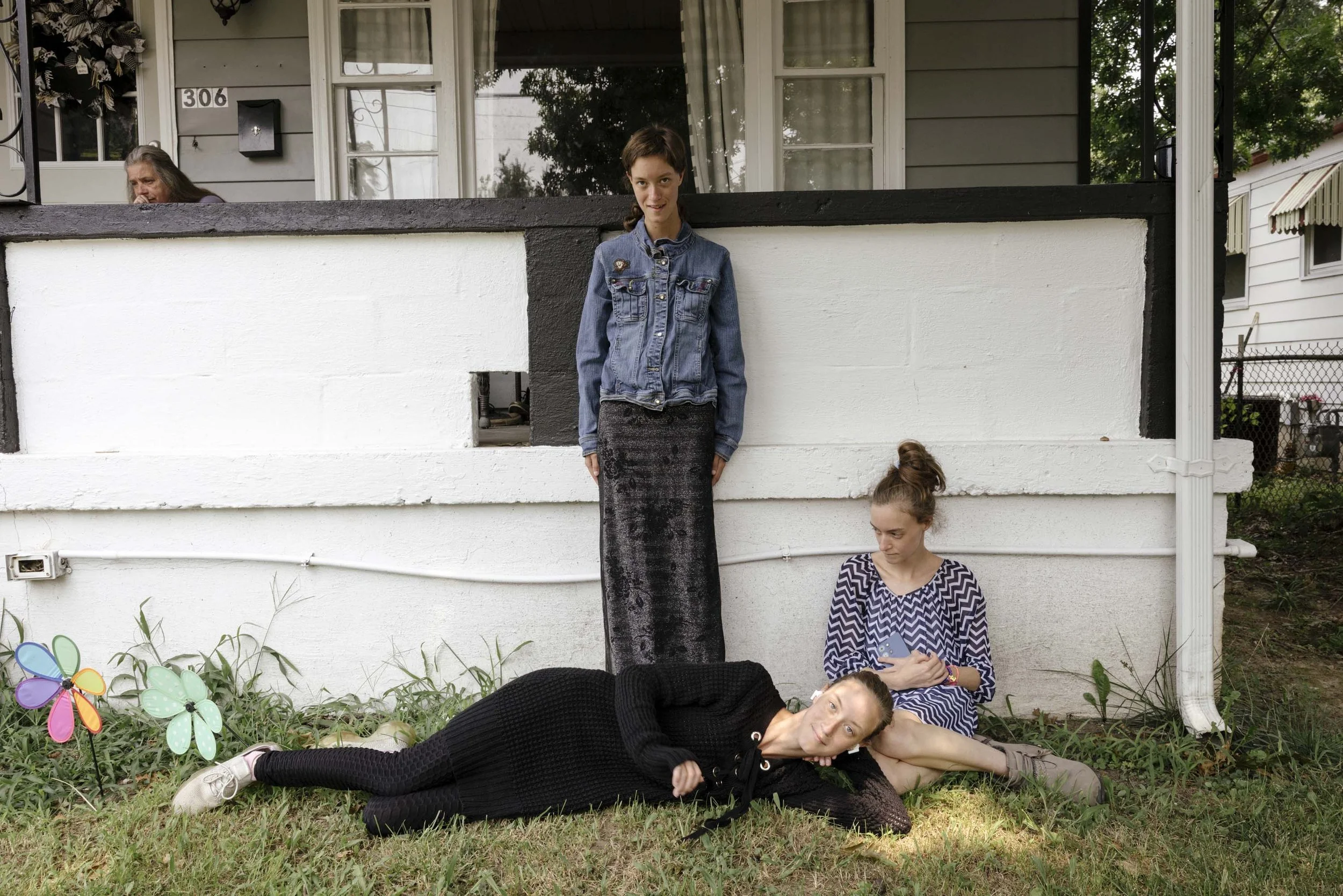
7/27/26; Cynthiana, Kentucky; Alicia (standing), Allison (bottom left), and Amber (bottom right) Fryman at their house in Cynthiana, KY, on July 27, 2026. The sisters, 23, are identical triplets who all have cerebral palsy. Just having graduated from high school this past spring, they are now navigating the realities of entering womanhood as individuals, as well as the boredom that comes from the confinement of their own home, due to the lack of accessibility to caretaking that they have. Lisa, their mom, doesn’t leave the house very much. “Sometimes before my dad gets home, my mom will walk with us to the stop sign and back on our street,” said Alicia.
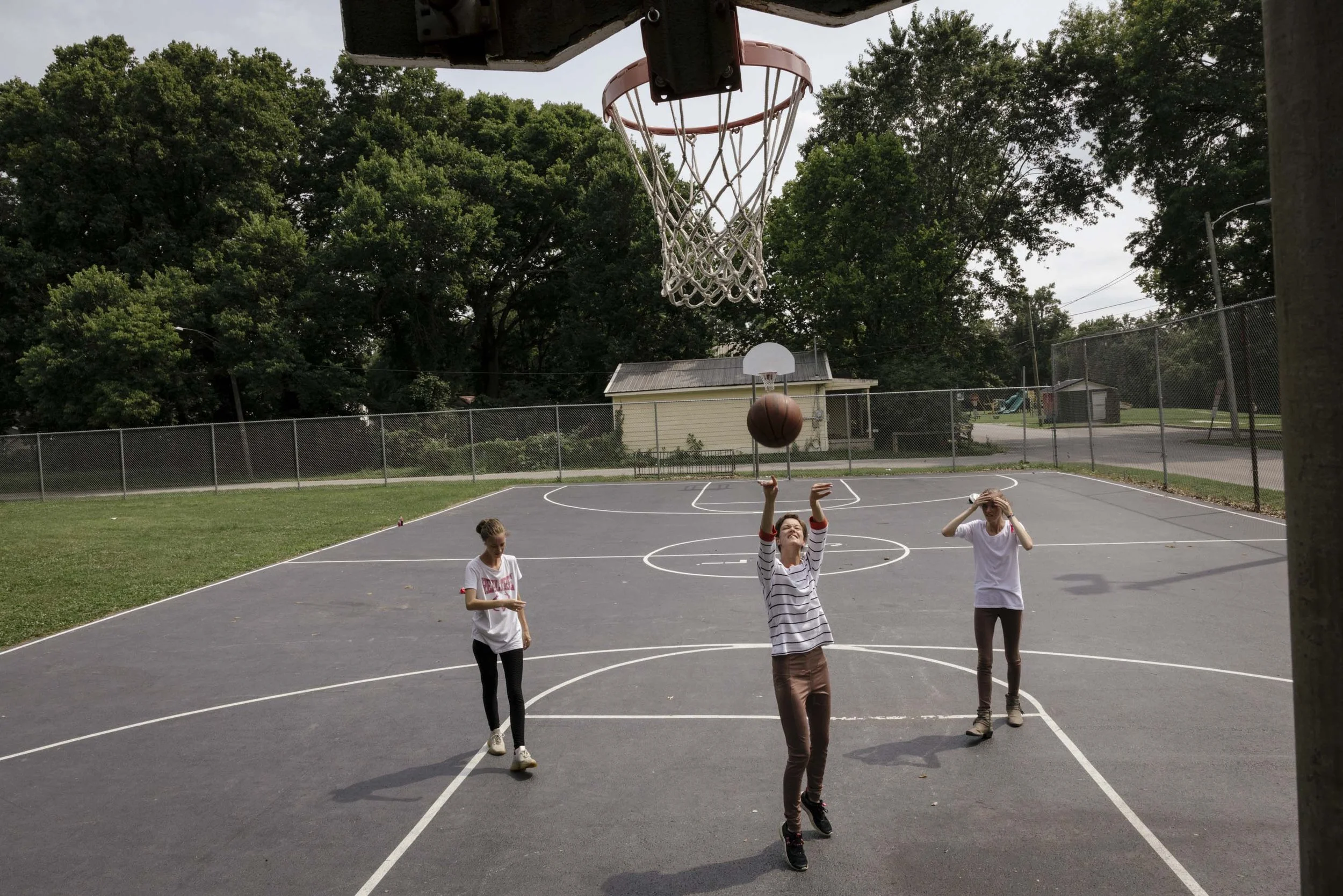
7/27/26; Cynthiana, Kentucky; Amber, Alicia, and Allison Fryman play basketball near their house in Cynthiana, KY, on July 27, 2026. Although basketball is one of their favorite hobbies, they’re rarely allowed to leave the house during the day to play unless Allison’s caregiver or one of their other sisters is present. Their mom takes care of them nearly full time while their dad works as a landscaper for a cemetery. Alicia, the tom boy of the trio, says she hopes to get a “fancier pair” of Nike Jordans soon.
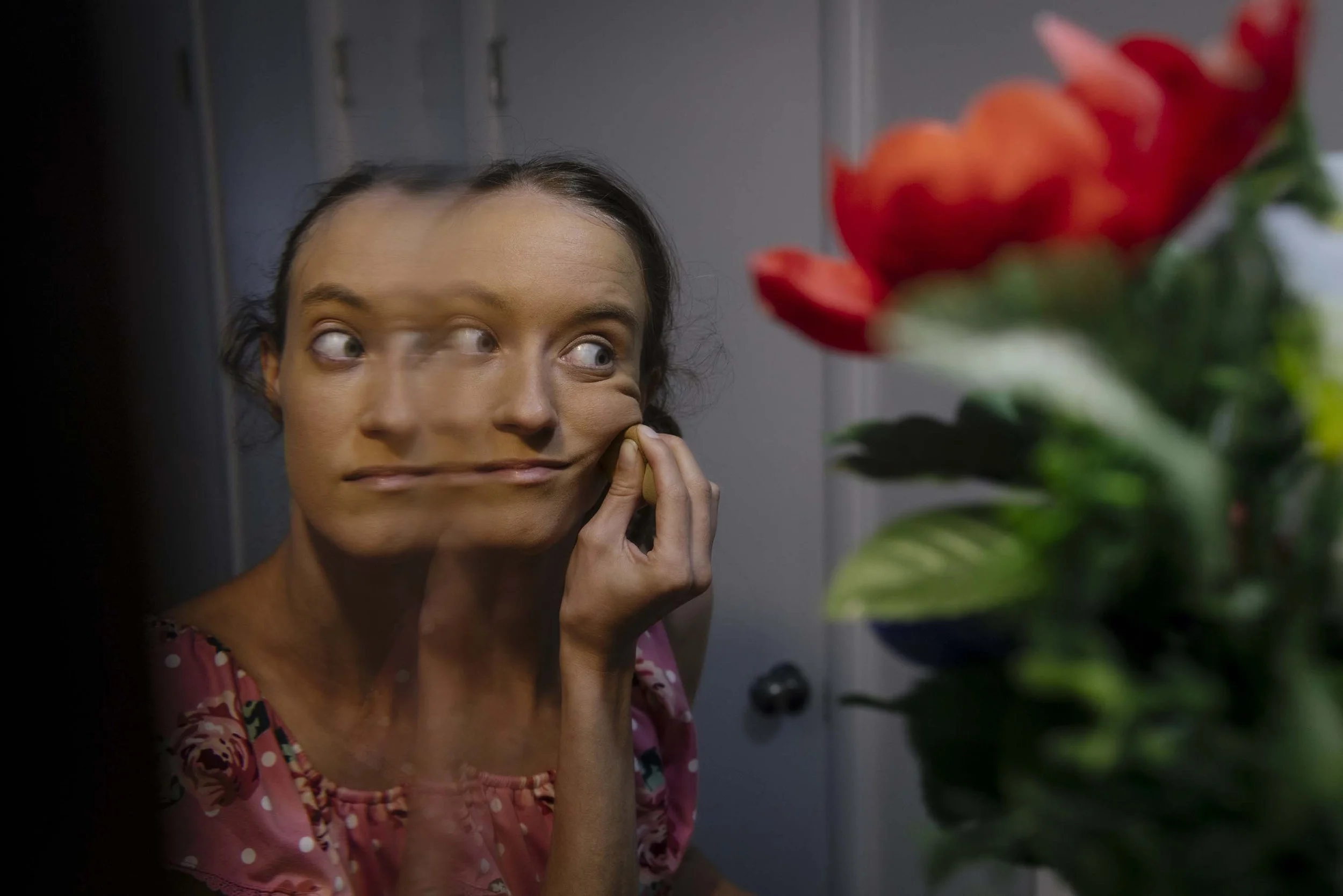
8/3/26; Cynthiana, Kentucky; Amber Fryman applies makeup before she begins live-streaming on Tik Tok in Cynthiana, KY, on Aug 3, 2026. Most of the girls communication throughout the day is via texting, faceTime, and other apps on their phones.
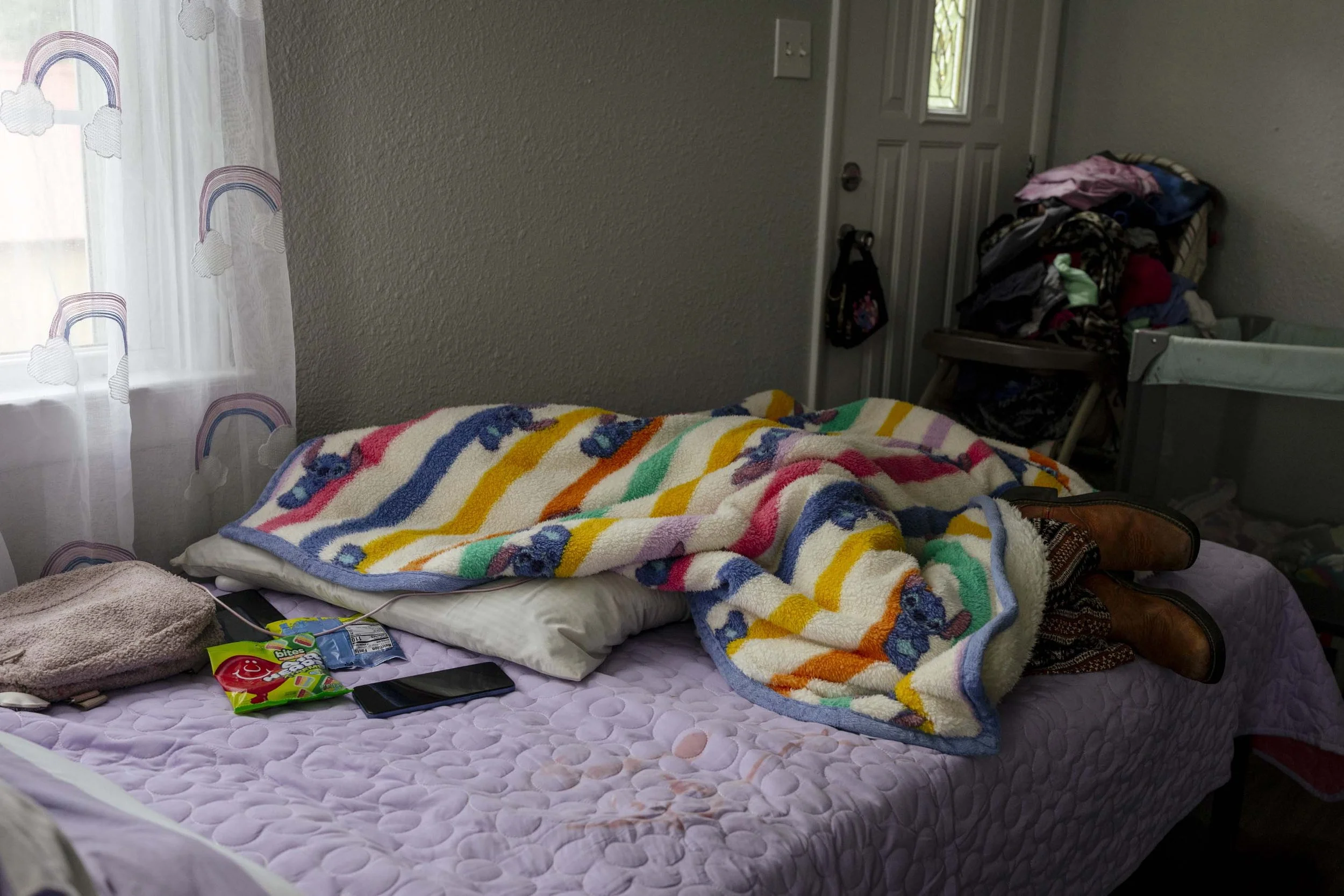
8/17/26; Cynthiana, Kentucky; Amber Fryman cries underneath her blanket in Cynthiana KY, on August 17, 2026. Through tears, Amber asked to go to the clinic due to ongoing stomach pains, but her mom insisted it was another stomach bug. The girls have to avoid many foods in order to not be hospitalized, due to digestive issues that come along with cerebral palsy. Doctors have informed the girls what they can and cannot eat, some including super sugary food, and spicy foods.
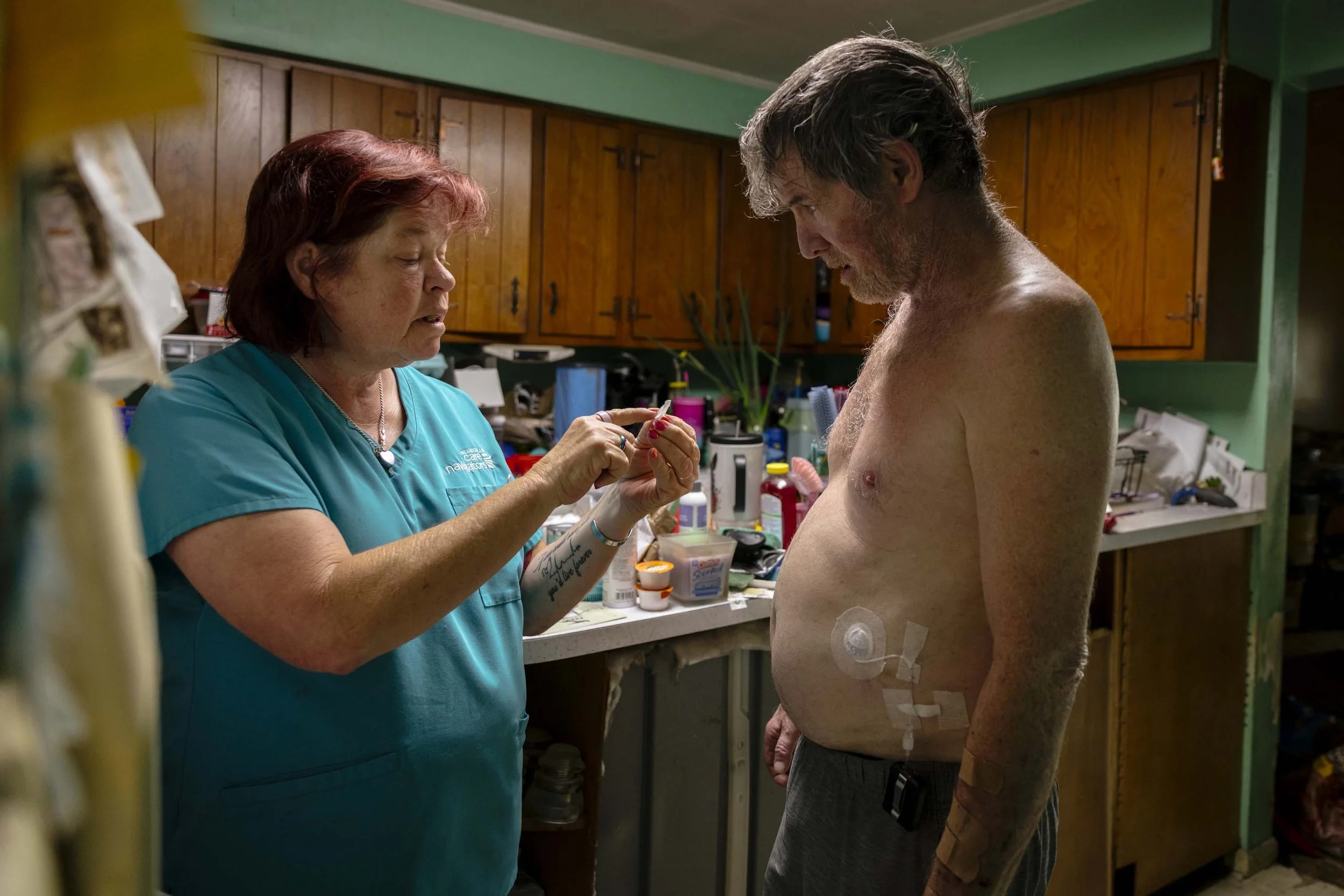
8/18/26; Sunrise, Kentucky; Jamie Foster attends to David Foster’s insulin after he mows the lawn and it proved to be exhausting for David in Sunrise, KY, on Aug 18, 2026. David is on disability, due to multiple strokes in the past few years, so Jamie works two jobs to pay the bills. She works at the Thoroughbred Center in Lexington as an EMT from 4am- 11am, and then works at the Bluegrass Care Navigators through the rest of the day. “I won’t get to my own dinner until about 10 o’clock tonight,” Jamie said after feeding her grandchildren, husband, and cutting fresh produce for her guinea pigs, rabbits, and chickens. After David got his first big stroke and lost his job as an HVAC mechanic in Lexington, KY, he got a job as a janitor at the hospital. He was then unfairly fired from that position when he came down with Type 1 diabetes and was taking frequent trips to the clinic.
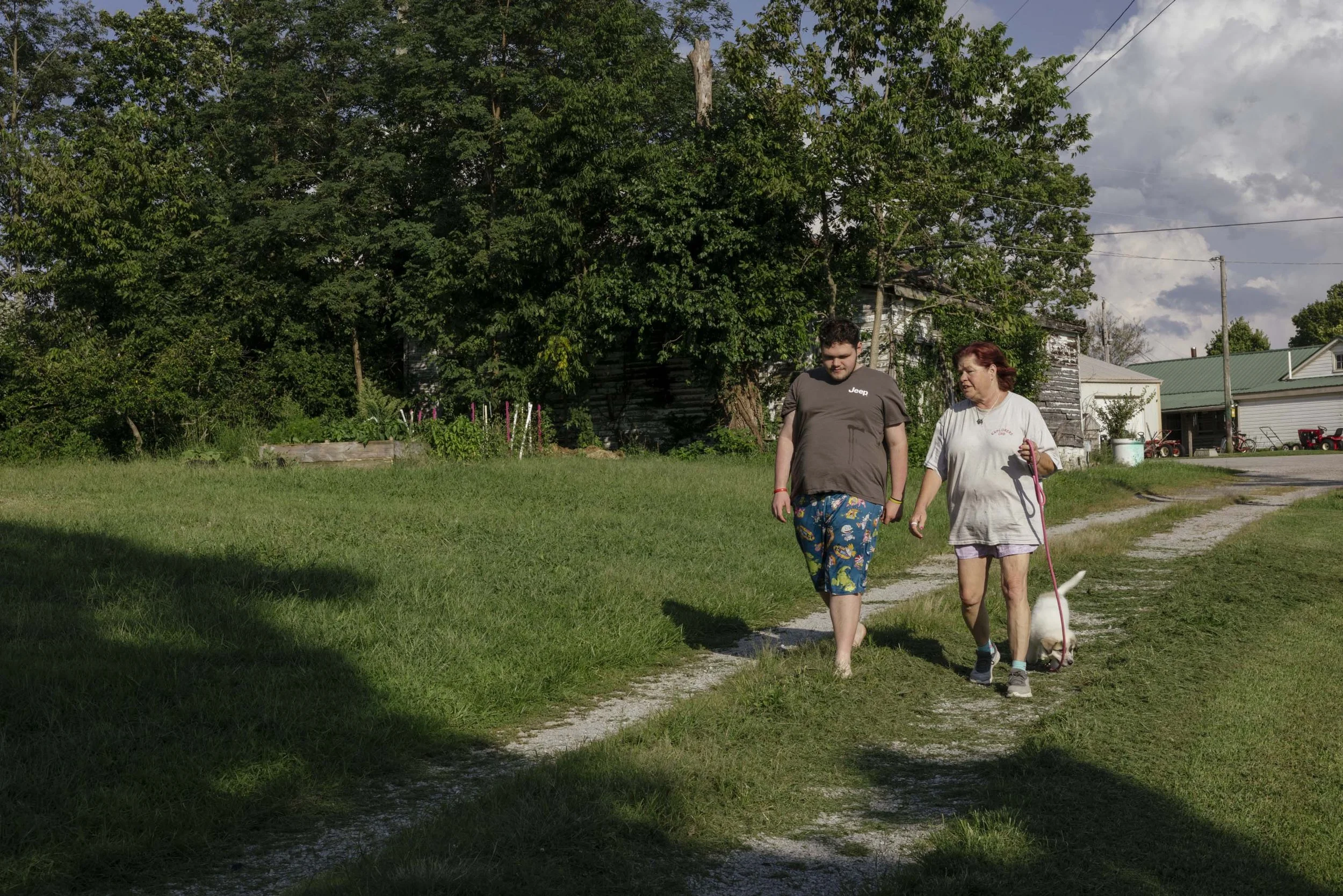
8/22/26; Sunrise, Kentucky; Chase Price and Jamie Foster take their new puppy on a walk in Sunrise, KY, on Aug 22, 2026. “Lots of the time I’m just mentally tired,” said Foster. “I don’t get time to myself and there’s so many things I want to do.”
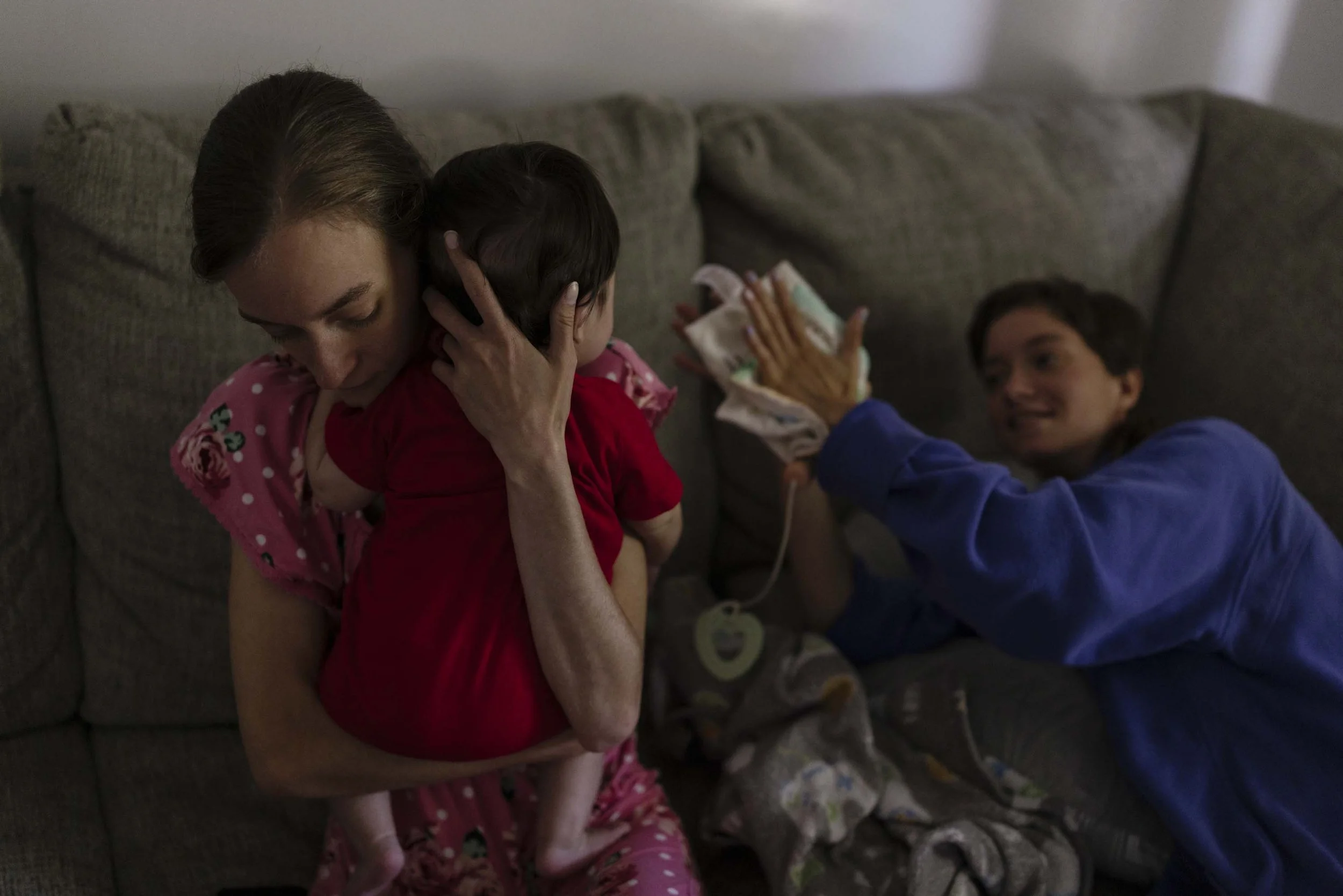
8/3/26; Cynthiana, Kentucky; Amber (left) and Alicia (right) Fryman watch Allison’s caretaker’s baby while they’re at the doctors office in Cynthiana, KY, on Aug 3, 2026. Her caretaker had a doctors appointment and brought Allison along, leaving her child with the other two triplets and their mom to babysit. Allison has gone through a few different caretakers in the past few months, while Amber and Alicia are still awaiting notice back from a program called Active Day in Lexington, an adult daycare center. They’ve been on the waiting list for more than six months now.
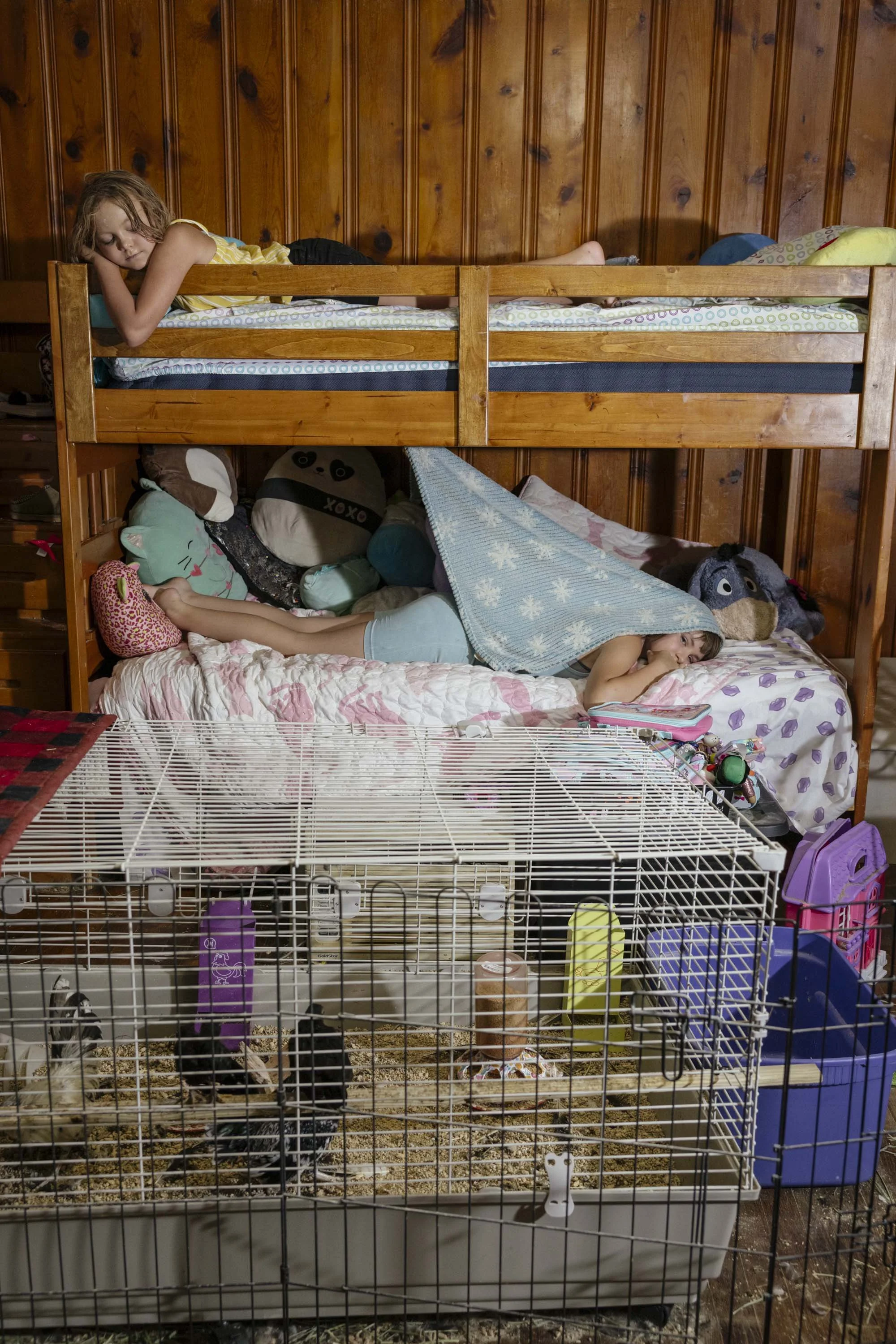
8/22/26; Sunrise, Kentucky; Johnnie Pulliam (bottom), 9, and Laikynn Rueger (top), 9, pose for a portrait in Pulliam’s part-time bedroom in front of their pet chickens in Sunrise KY, on August 22, 2026. Both grandchildren of Jamie Foster often stay at their grandmother’s house and enjoy doing so. Laikynn was two when her father passed away, Jamie’s son, so Jamie has done a lot to help take care of her as she grows up.
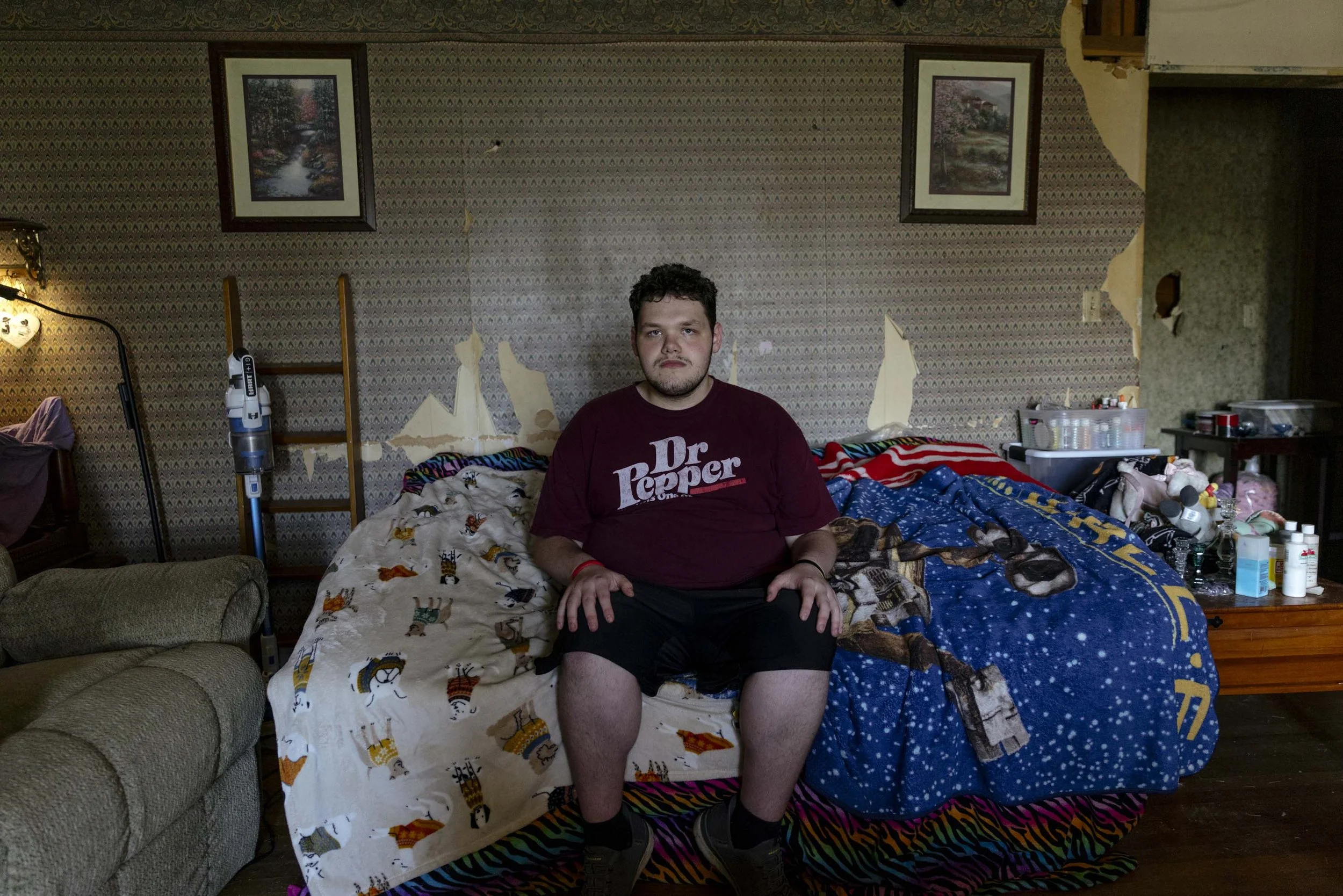
8/18/26; Sunrise, Kentucky; Chase Price, 17, poses on their family couch in Sunrise, KY, on August 18, 2026. Price lives full time with his Maw Ma, Jamie Foster. After Price began staying at his grandmother’s house when his parents house was being renovated, the quiet space, away from his siblings, proved to help with his autism. “He needed peace and quiet,” said Foster. “He began getting straight A’s, so I offered, maybe he should just live here.” The rest of his siblings spend lots of time here, but Price is able to go to bed at 9:30 every night, proving to be beneficial for his schedule.
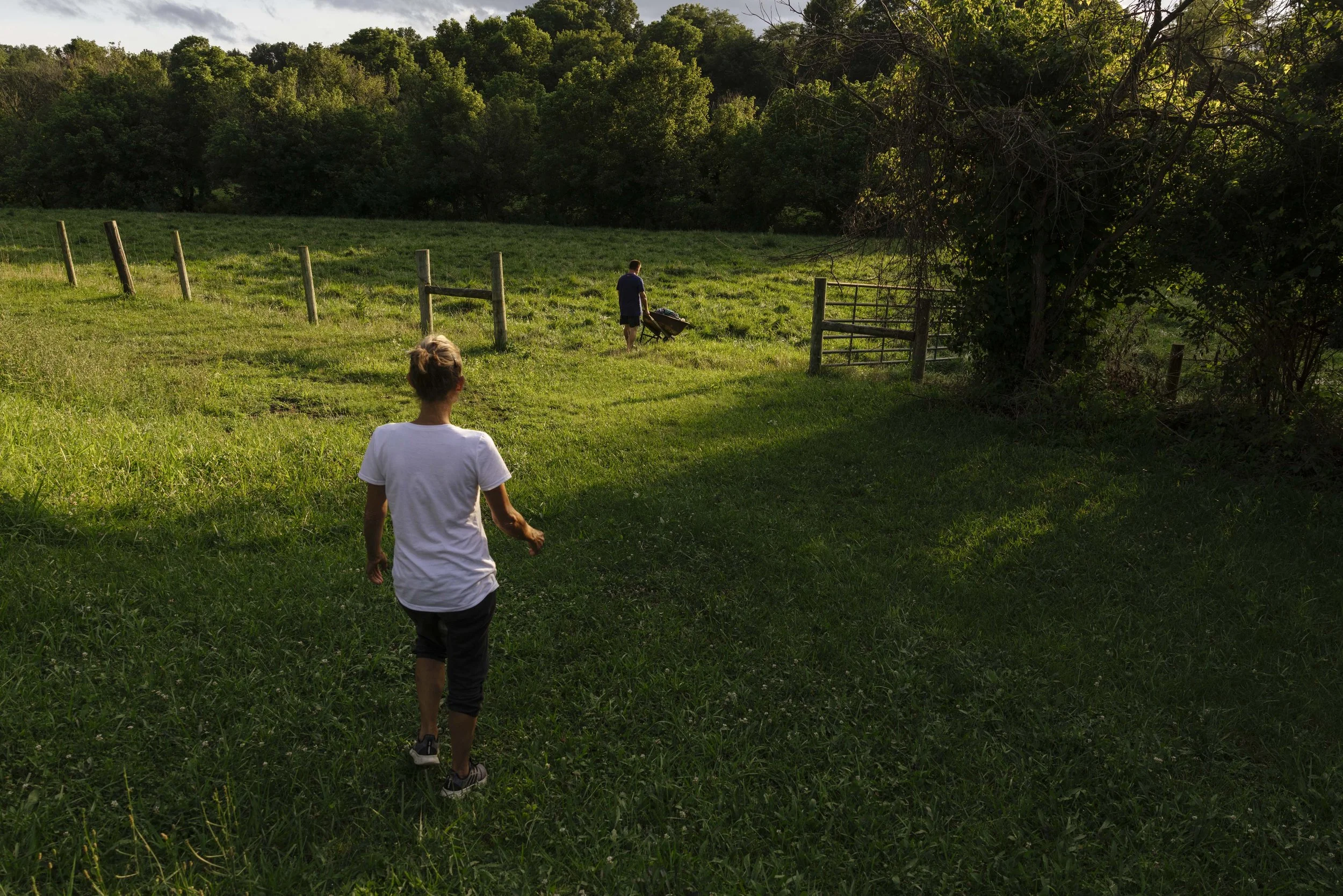
7/21/26; Oddville, Kentucky; Verna and James Petidt walk down to Curry creek behind their property in order to do their laundry in Oddville, KY, on July 21, 2026. The creek flows from a nearby cow pasture owned by an Amish family. Verna and James currently live in a trailer on Verna’s fathers property after she lost her job as a cook at Tracks following a series of seizures. “My doctors won’t release me to work yet,” said Verna. She applied for disability over nine months ago but has not yet received a decision.
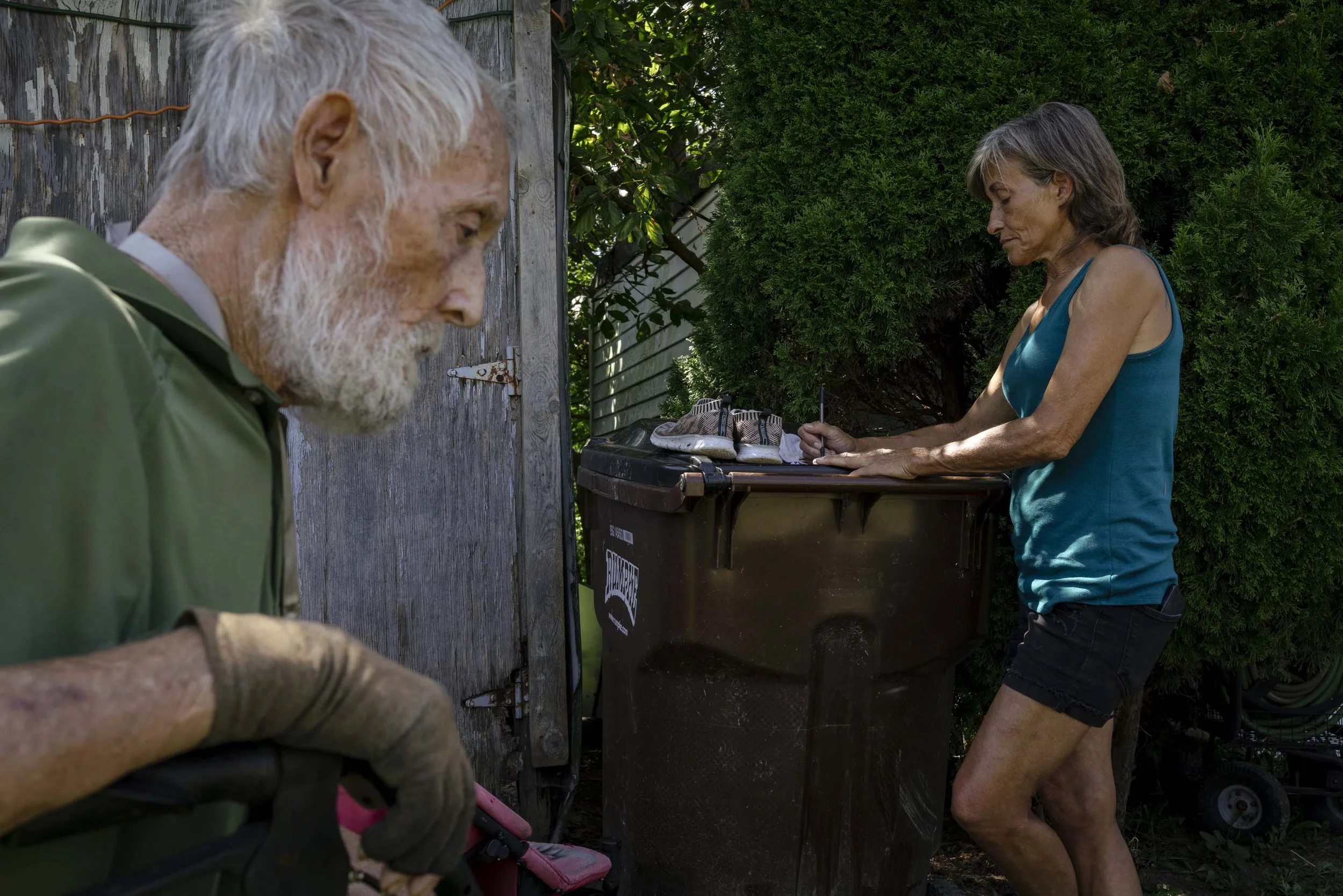
8/24/26; Cynthiana, Kentucky; Verna Petidt talks with her 74-year-old father, Vernon, in the front yard of his property in Oddville, Ky., on Aug. 25, 2026. Verna has cared for her father full-time since moving into a trailer on his property, but she plans to move within the next month to Paris, KY, with the support of Section 8 housing voucher. This leaves her unsure of who will continue to care for Vernon after she leaves, but she knows he can’t manage on his own.
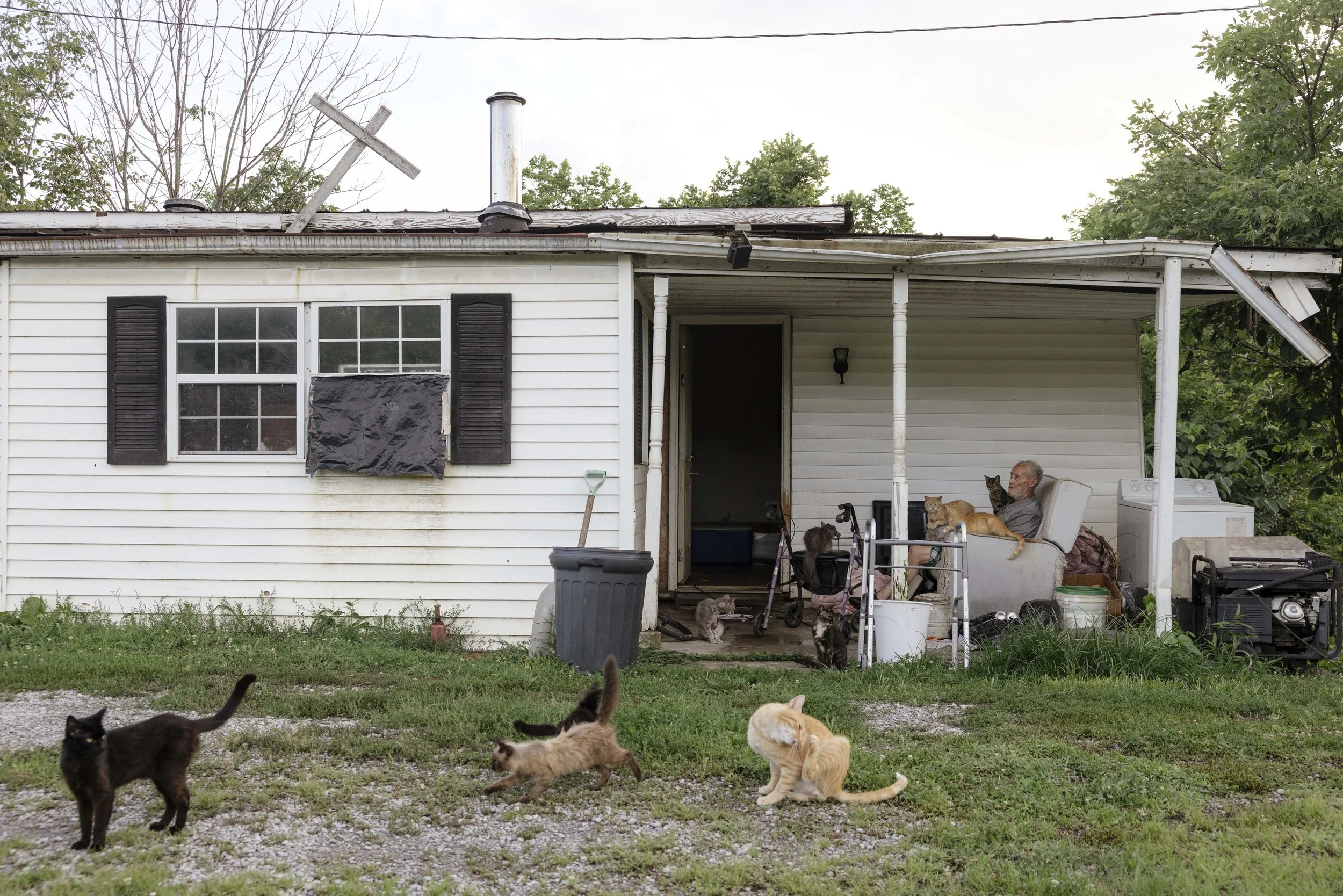
8/25/26; Oddville, Kentucky; Vernon Petidt, 74, spends the remaining bits of daylight with his cats on his porch, where he spends most nights, Oddville, KY, on July 21, 2026. He has collected an abundance of stray cats, prioritizing feeding all of them. Moore’s house caught on fire nearly two years ago and he still hasn’t been able to gather the money to fix it up. Vernon imagines a future where he moves back to West Virgina, where he still has friends in the mountains.
About the work
This body of work is from an ongoing project that examines low-income rural Americans who are navigating the growing gaps in a system where access to social infrastructure and basic caregiving is collapsing. In rural America, where those living far from any medical facility, daycare, or unable to afford professional care, families are often forced to rely on some of the most basic means in order to survive. Through intimate photographs of families in their homes and communities, I am interested in what happens to a community or family as a whole, when responsibility for care shifts from institutional care to relatives. How does this responsibility reshape these families, work, and independence?
My fieldwork currently follows three families in rural Harrison County, Kentucky: identical triplets with cerebral palsy transitioning into adulthood while waiting for accessible caregiving; a grandmother raising her autistic grandson while working two jobs and caring for her disabled husband; and a daughter caring for her disabled father while simultaneously navigating her own disability claim.
Nearly 1 million Kentucky adults provide unpaid care to parents, spouses or other loved ones, contributing an estimated $8.6 billion in unpaid care each year, according to the American Association of Retired Persons. Nearly half of Kentucky’s family caregivers are not currently working, illustrating the extent to which caregiving can become a full-time responsibility even when it doesn’t bring in a paycheck.
This unseen labor doesn’t fit into the mold of the upcoming One Big Beautiful Bill Act, where in 2027 Kentuckians will be required to document 80 hours per month of work, education or community service, to maintain Medicaid coverage. Medicaid serves as the bedrock of Kentucky’s healthcare infrastructure, and implementation of the One Big Beautiful Bill Act actively threatens the way Kentuckians access that care.
In Kentucky from 2017-2022, an estimated 51,247 KY grandparents were living with and were responsible for their grandchildren (roughly one quarter of them living below the poverty line), according to University of Kentucky’s study data.census.gov.
About the Photographer
Born in August 2004 in Goma, in the eastern Democratic Republic of the Congo, Jospin Mwisha is a documentary photojournalist covering conflict, humanitarian crises and the social realities of his country.
A freelance photographer for Agence France-Presse (AFP), his documentary approach focuses on the human stories behind war, population displacement, health crises and the resilience of communities. His work combines photojournalism and visual storytelling, driven by a desire to bear witness to reality and build connections between affected communities, bringing their stories to the wider world.
He trained in multimedia through the LTA Académie programme before being selected for a photojournalism mentorship at Efotho in 2024. He also holds a Bachelor's degree in Information and Communication Sciences from UNIC University.
His work has documented the M23 conflict in eastern DRC, as well as the Ebola outbreak in Ituri. He has also explored the living conditions of mining communities, highlighting the links between artisanal gold mining, economic pressures and humanitarian crises.
A finalist for the 2025 Ian Parry Photojournalism Grant and one of five nominees for the 2026 Visa d'Or News, Mwisha also participated in the exhibition Goma, la bascule at the Bayeux Calvados-Normandy Award. Through his work, Jospin Mwisha sees photography as a tool for preserving memory, bearing witness and connecting the world.